
lumora Efficient Operations
Smart Infrastructure Solutions for Connected and Efficient Operations
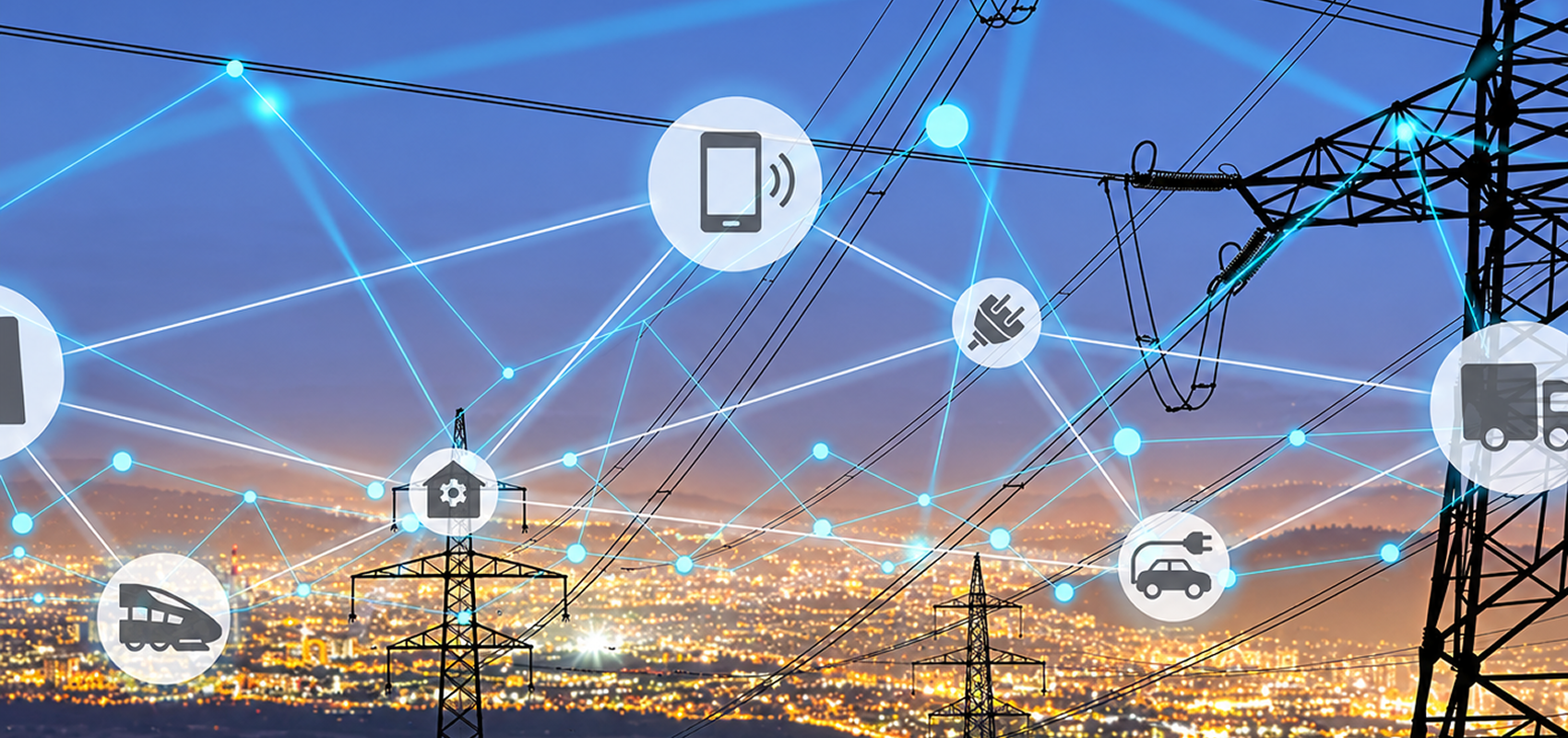
Lumora Global supports connected infrastructure systems that give owners and operators greater visibility over distributed assets.
From smart street lighting to remote monitoring and centralized control, these technologies can help reduce manual intervention, improve maintenance planning and provide a clearer picture of how infrastructure is performing.
lumora Infrastructure
Where Smart Infrastructure Can Be Applied
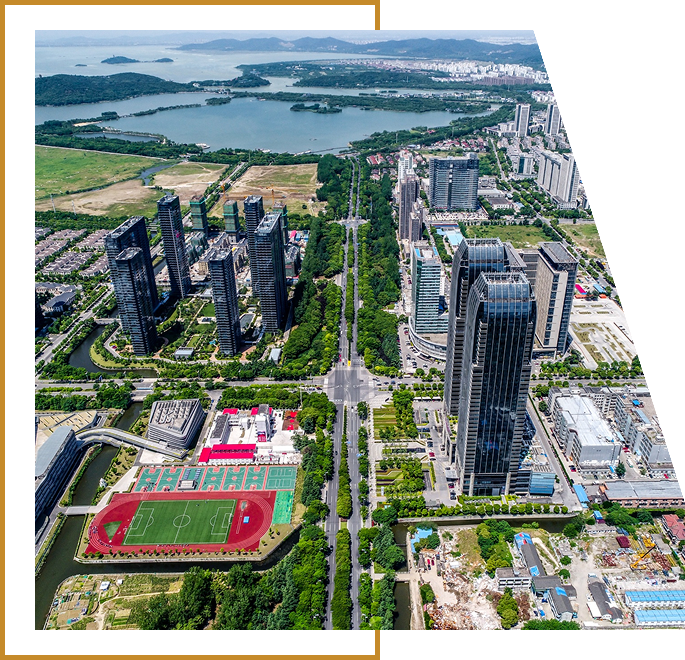
Connected systems are particularly useful where equipment is spread across a wide area or needs to be managed from a central location.
Typical applications include:
- Roads and highways
- Municipal infrastructure
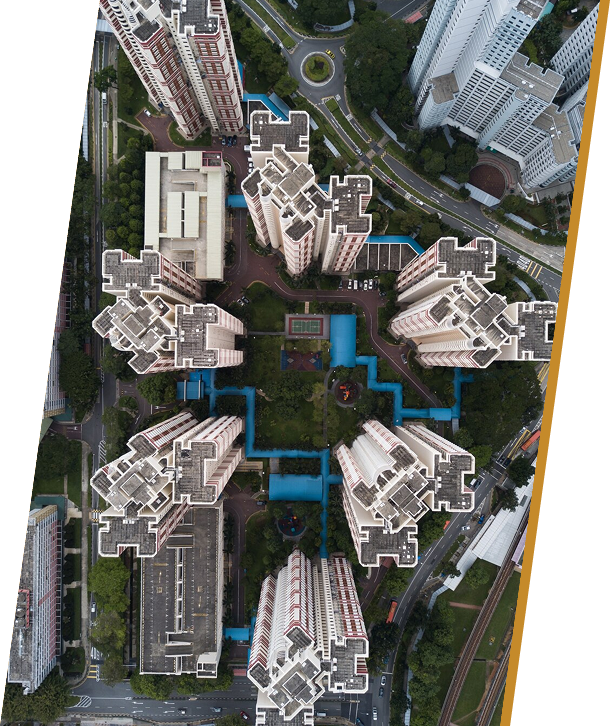
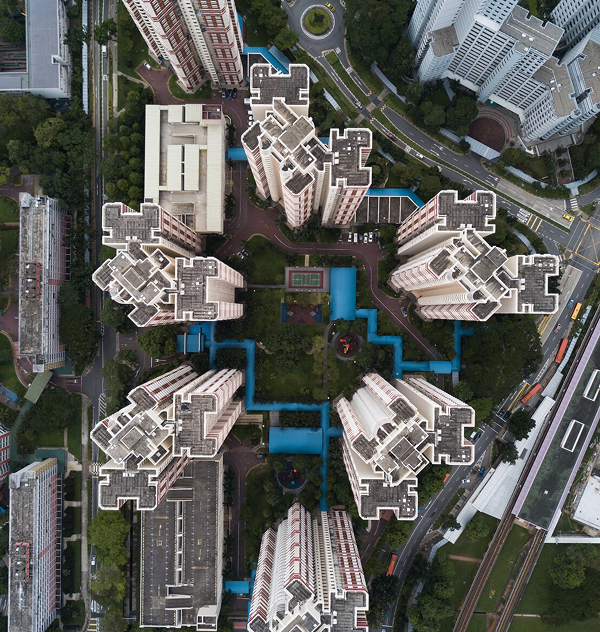
- Large residential developments
- Industrial sites
- Car parks
- Utility and infrastructure assets
- Street lighting networks
- Public parks and open spaces
- Commercial districts
- Campuses
- Mixed-use developments
The right architecture depends on the number of assets, their locations and the information the operator needs to manage.
lumora solutions
Smart Infrastructure Solutions
01
Smart Street Lighting
A connected street-lighting system can give operators more control than a conventional fixed lighting network.
Depending on the selected platform, individual luminaires or groups of luminaires may be managed remotely for functions such as:
- Switching
- Time scheduling
- Energy-use tracking
- Operating-status monitoring
- Dimming
- Fault reporting
- Zone management
This can be particularly valuable for municipalities, large developments and infrastructure operators responsible for extensive outdoor lighting networks.
02
Centralized Monitoring & Control
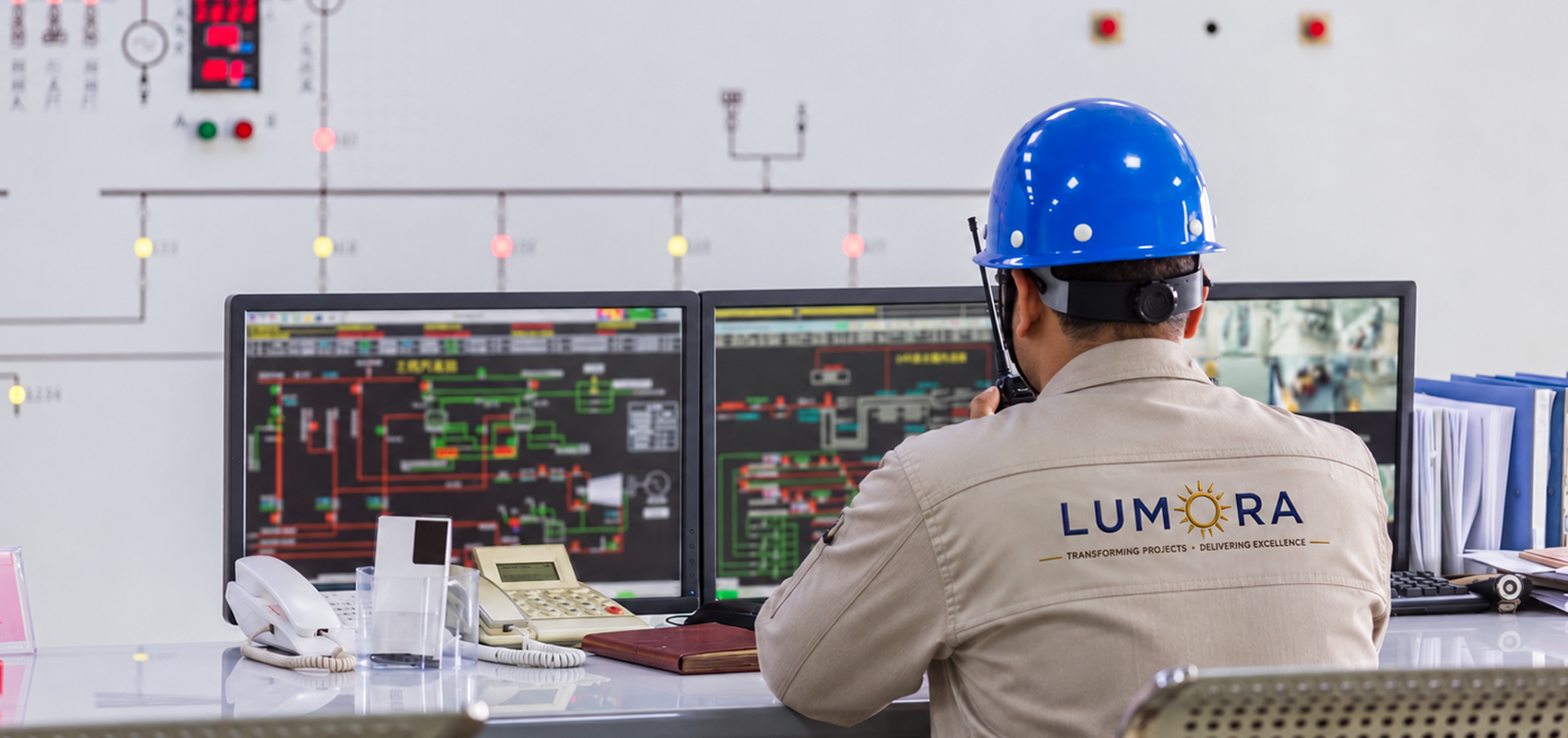
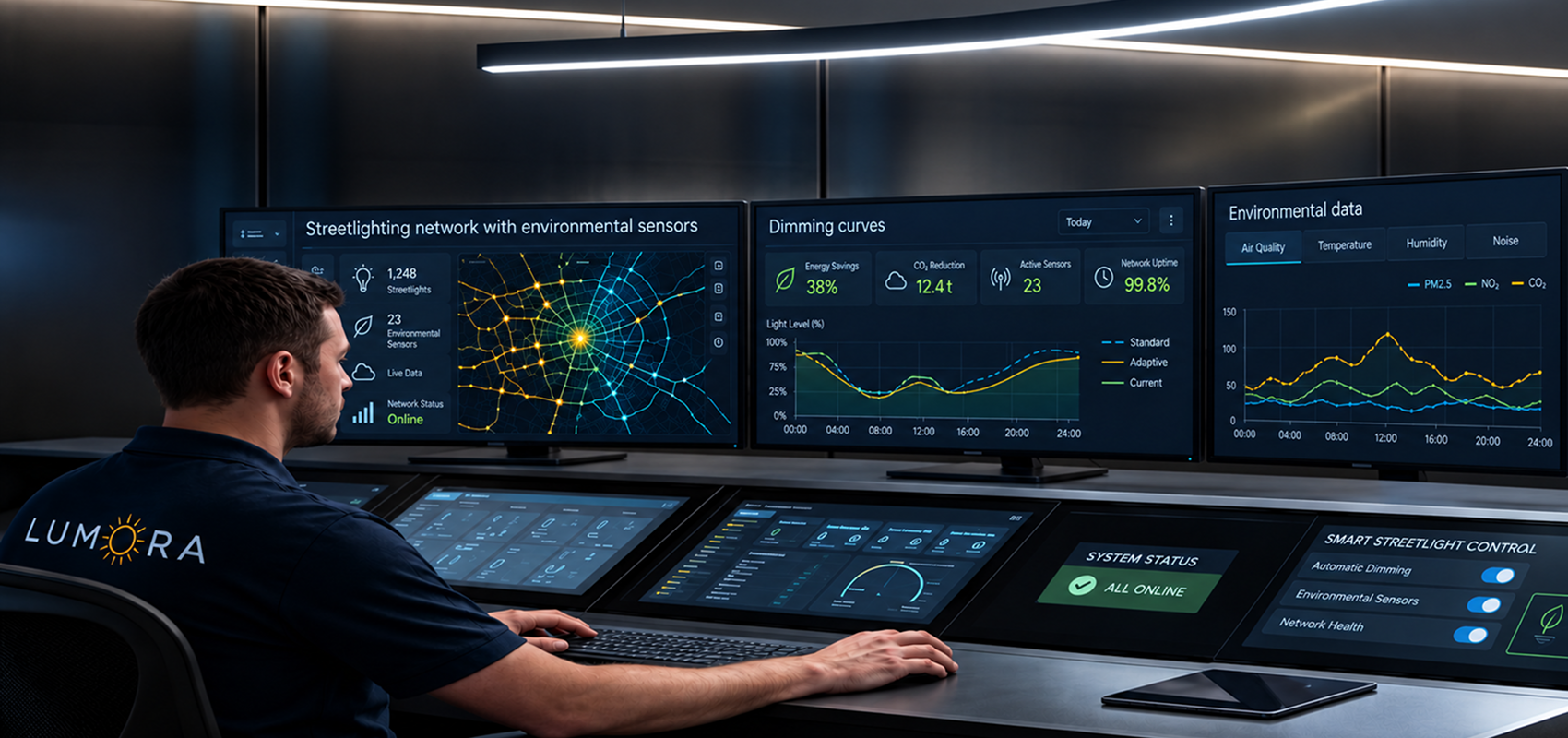
A central management platform can bring information from multiple field assets into one interface.
Operators may be able to view the condition of different zones, review alerts, change schedules and check system performance without visiting each location individually.
For larger networks, this provides a more structured way to manage day-to-day operations.
03
Asset Management
Knowing where equipment is installed and what condition it is in can make maintenance easier to organize.
Depending on the system, asset records may include:
- Equipment location
- Installation information
- Fault history
- Energy data
- Asset type
- Current operating status
- Maintenance records
This can help owners build a clearer picture of their infrastructure over time.
04
Remote Fault Detection
In a conventional network, a failed asset may only become known after a site inspection or public report.
Remote monitoring can allow certain faults or abnormal conditions to be identified through the management platform.
Earlier visibility can help maintenance teams prioritize visits and respond more efficiently.
THE LUMORA Works
How a Connected Infrastructure System Works
A smart system usually consists of more than software.
Depending on the project, the architecture may include:
- Field controllers
- Gateways
- Compatible drivers or equipment
- Central or cloud-based management software
- Sensors
- Communication devices
- Network infrastructure
These elements need to communicate correctly with one another.
Lumora can help review the relationship between field equipment, communication technology and the management platform before the system is finalized.
Lumora Consider
What We Consider During System Selection
01
Scale of the Network
A small private development has very different requirements from a city-wide infrastructure network.
The number and distribution of assets influence the control architecture and communication method.
02
Required Functions
Not every project needs every available feature.
For some operators, fault alerts and scheduling may be enough. Others may require detailed asset records, remote dimming, energy reporting and multiple user permissions.
03
Communication Method
The communication technology must suit the site conditions, distances involved and equipment being controlled.
04
Compatibility
Controllers, drivers, gateways and software need to operate as one system. Compatibility should be confirmed before products reach site.
05
Future Expansion
Where a development is expected to grow, the system should be considered with future assets and additional zones in mind.
THE LUMORA Benefits
Benefits of Connected Infrastructure
When designed around a genuine operational requirement, smart infrastructure can help:
01
Reduce unnecessary site inspections
02
Identify faults more quickly
03
Improve maintenance planning
04
Provide centralized visibility
05
Adjust operating schedules remotely
06
Track energy consumption
07
Organize asset information
08
Support more efficient use of infrastructure
The value comes from using the available data to improve how assets are operated and maintained.
OUR Projects
Upgrading Existing Infrastructure
A smart-infrastructure project does not always require replacing every existing asset.
Some installations may be suitable for partial upgrade, while others may need new drivers, controllers, communication equipment or complete replacement.
Before proposing a retrofit, Lumora can help review factors such as:
- Existing equipment condition
- Controls compatibility
- Electrical infrastructure
- Available communication options
- Current operating requirements
- Desired level of monitoring
This helps establish what can reasonably be retained and where upgrades are necessary.

Lumora Can
What Lumora Can Support
Depending on the scope, Lumora can assist with:
- Initial requirement review
- Smart street-lighting coordination
- Controller and gateway selection
- Product submittals
- Technical assistance during implementation
- Supply support
- Control-system selection
- Compatibility assessment
- Technical documentation
- Manufacturer coordination
- Management-platform coordination
The scope of each engagement is established according to the client's requirements and the engineering services needed.
Lumora Support
Projects We Can Support
Smart infrastructure technologies can be considered for:
- Government and municipal projects
- Roads and transportation infrastructure
- New urban developments
- Public-realm projects
- Residential communitiess
- Commercial developments
- Industrial facilities
- Large campuses
- Car parks
- Existing infrastructure modernization
Each project should begin with the operational need rather than with a predetermined technology.

LET'S WORK TOGETHER
Discuss Your Smart Infrastructure Requirement
If you are planning a smart street-lighting network, remote monitoring system or wider infrastructure upgrade, send us the available drawings, specifications or project brief.
Our team can review the requirement and discuss a suitable technical approach.